
Search Results
Showing results 21 to 34 of 34

Operation Espionage
Source Institutions
In this activity, learners create and reveal secret messages written with invisible ink! The invisible ink is actually a baking soda solution, and the magical revealing liquid is fruit juice.
Production of Carbon Dioxide
Source Institutions
In this chemistry activity, learners use common chemicals to produce carbon dioxide and observe its properties. This resource includes brief questions for learners to answer after the experiment.
Atoms and Matter (K-2)
Source Institutions
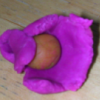
In this activity, learners explore atoms as the smallest building blocks of matter. With adult help, learners start by dividing play dough in half, over and over again.
Potato Power
Source Institutions
Learners combine hydrogen peroxide with three different forms of potato: raw chunks, ground chunks, and boiled chunks.
DIY Bath Bombs
Source Institutions
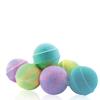
In this activity, learners will explore acid-base reactions and create their own bubbly results.
An Object in Motion
Source Institutions
In this physics activity (page nine of the pdf), learners use balloons to explore how a rocket works. It is suggested they also work to see how they can alter the velocity of the rocket.
Diving Submarine
Source Institutions
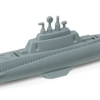
Learners use a commercially available toy to experiment with density. They fill a chamber in the toy submarine with baking powder and release it into a tank of water.
Chemical Change
Source Institutions
In this chemistry activity, learners explore the amount of copper in a new penny. Learners use toilet bowl cleaner to hollow out the interior of a penny with zinc inside.
Sticky Situation
Source Institutions
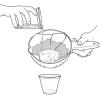
In this activity, learners separate the protein from milk and and use it to make their own glue.

Flubber: Make a polymer!
Source Institutions
This activity (on page 2 of the PDF) features a recipe to create the stretchy polymer Flubber from Borax detergent, white glue, and water.

Create Gas
Source Institutions
Learners mix vinegar and baking soda together in a bottle to create a chemical reaction. The reaction produces a gas, carbon dioxide, which inflates a balloon attached to the mouth of the bottle.
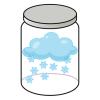
Snowstorm in a Jar
Source Institutions
In this activity, learners will experiment with density and chemical reactions to create a flurry activity.
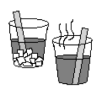
Glow Fast, Glow Slow: Alter the Rate of a Reaction!
Source Institutions
Learners investigate one factor affecting reaction rates: temperature. In a darkened room, two identical lightsticks are placed in water -- one in hot water and one in cold water.
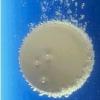
Exploring Properties: Surface Area
Source Institutions
This hands-on activity demonstrates how a material can act differently when it's nanometer-sized.