
Search Results
Showing results 41 to 60 of 88
Model Well
Source Institutions
In this quick activity about pollutants and groundwater (page 2 of PDF under Water Clean-up Activity), learners build a model well with a toilet paper tube.
The Variety and Roles of Microbes
Source Institutions
In this activity, learners use sets of cards to assign microorganisms to different groups.
Cartesian Diver
Source Institutions
In this quick activity (page 1 of the PDF under SciGirls Activity: California Fish), learners will build a simple Cartesian Diver in an empty 2-liter bottle.
Diet Light
Source Institutions
In this quick activity, learners observe how the added sugar in a can of soda affects its density and thus, its ability to float in water.
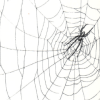
Web It!
Source Institutions
In this outdoor activity, learners investigate spider webs and feeding behavior, particularly how spiders trap food in their sticky silk webs while not getting stuck themselves.
Amphibian Skin
Source Institutions
In this activity, learners explore the concept of permeability to better understand why amphibians are extremely sensitive to pollution.
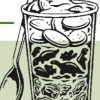
Layered Fossil Parfait: Deeper is Older
Source Institutions
In this activity, learners explore dinosaur fossils by making an edible treat. First, learners read "Dinosaur Bones" by Aliki to examine how fossils are formed.
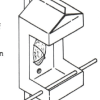
Bird Feeder
Source Institutions
In this outdoor activity, learners construct bird feeders and set them up at to investigate bird behavior for one or two weeks. Multiple feeder designs are suggested.

Reflective Solar Cooker
Source Institutions
In this activity, learners use the Sun's energy to cook marshmallows. Learners construct the solar oven out of simple everyday materials.
Salt 'n Lighter
Source Institutions
In this activity, learners discover that as the salinity of water increases, the density increases as well. Learners prove this by attempting to float fresh eggs in saltwater and freshwater.
Tabletop Biosphere
Source Institutions
In this activity, learners create a sealed, mini ecosystem that supplies freshwater shrimp with food, oxygen, and waste processing for at least three months.
Spill Spread
Source Institutions
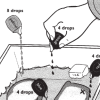
In this simulation, learners explore how ocean currents spread all kinds of pollution—including oil spills, sewage, pesticides and factory waste—far beyond where the pollution originates.
Measuring and Protecting Skin
Source Institutions
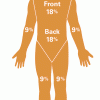
In this activity, learners compare and contrast their own skin (including the area covered) with that of an orange.
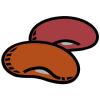
Not Just A Bag Of Beans
Source Institutions
In this activity, learners count and measure kidney beans to explore natural selection and variation. Learners measure the length of 50-100 beans.
Salt Water Revival
Source Institutions
In this outdoor activity, learners visit the intertidal zone of a rocky coastal site well populated with marine organisms.

Save Your Skin
Source Institutions
This is a fun activity about the power of the Sun and the importance of using sunscreen to protect your sensitive skin from its rays.
Invent an Animal
Source Institutions
In this outdoor activity and game, learners explore how animals adapt for survival through coloration, markings and camouflage.
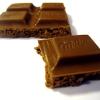
Melts in Your Bag, Not in Your Hand
Source Institutions
In this activity, learners use chocolate to explore how the Sun transfers heat to the Earth through radiation.
Shipping for Survival
Source Institutions
In this activity, learners explore how packaging engineers develop customized shipping and packaging containers to meet the needs of many different industries.
Making Connections: What You Can Do To Help Stop Global Climate Change
Source Institutions
In this cooperative learning activity, learners visit ten stations and are challenged to think critically about various conservation questions and issues.