
Search Results
Showing results 61 to 80 of 81
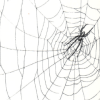
Web It!
Source Institutions
In this outdoor activity, learners investigate spider webs and feeding behavior, particularly how spiders trap food in their sticky silk webs while not getting stuck themselves.
Amphibian Skin
Source Institutions
In this activity, learners explore the concept of permeability to better understand why amphibians are extremely sensitive to pollution.
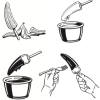
T. rex Cretaceous Treat
Source Institutions
In this activity, learners make edible T. rex teeth (with adult assistance). The treat is a white and dark chocolate covered banana on a stick.
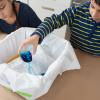
Make a Lake
Source Institutions
Where rainwater goes after the rain stops? And why there are rivers and lakes in some parts of the land but not in others?
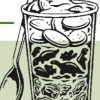
Layered Fossil Parfait: Deeper is Older
Source Institutions
In this activity, learners explore dinosaur fossils by making an edible treat. First, learners read "Dinosaur Bones" by Aliki to examine how fossils are formed.
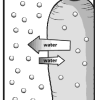
Bend a Carrot
Source Institutions
In this activity, learners investigate the process of osmosis by adding salt to a sealed bag of raw carrots and comparing it to a control.
Thymus DNA Extractions
Source Institutions
This laboratory exercise is designed to show learners how DNA can be extracted from a chunk of thymus (sweetbread) or liver.
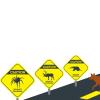
Caution! Wildlife Crossing
Source Institutions
In this design challenge, learners use their creativity and imagination to design and test a wildlife crossing for their favorite animal.
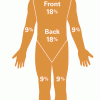
Measuring and Protecting Skin
Source Institutions
In this activity, learners compare and contrast their own skin (including the area covered) with that of an orange.
How Active Are You?
Source Institutions
In this activity, learners explore what is and is not active play and how it contributes to a healthy body and mind. Making active play a routine part of every day is a key concept of the experience.

Save Your Skin
Source Institutions
This is a fun activity about the power of the Sun and the importance of using sunscreen to protect your sensitive skin from its rays.
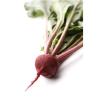
Membrane Permeability with Beets
Source Institutions
In this lab exercise, learners explore diffusion, cell membranes and particle size using beets and three alcohols.
Why Circulate?
Source Institutions
In this activity related to the human circulatory system (on page 10 of the PDF), learners observe the dispersion of a drop of food coloring in water, draw conclusions about the movement of dissolved
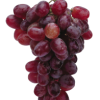
Explore Like a Scientist: Fruity Observations
Source Institutions
In this activity, learners use their senses to collect information about a fruit and record their findings in a Science Journal.
Bone Identification
Source Institutions
This activity (page 3 of the PDF under SciGirls Activity: Dinosaurs) is a full inquiry investigation into fossil hunting and identification.
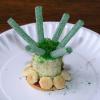
Build a Coral Polyp
Source Institutions
In this activity, learners build one or more edible coral polyps and place them together to form a colony.
Harmful Algal Blooms: In Full Bloom
Source Institutions
In this activity, learners will investigate the impacts of harmful phytoplankton using NOAA's Coastal Services Center Harmful Algal Bloom Forecasting (HABF) Project data.
Trash Talkin'
In this activity, learners collect, categorize, weigh and analyze classroom trash and discuss ways that engineers have helped to reduce solid waste.
I Can't Take the Pressure!
Learners develop an understanding of air pressure in two different activities.
If You Lived in a Forest
Source Institutions
This activity encourages learners to focus on the natural environment of the Eastern Woodlands before the arrival of European settlers.