
Search Results
Showing results 1 to 20 of 30
Is That DNA in My Food?
Source Institutions
In this activity, learners extract DNA from wheat germ. Use this activity to introduce learners to DNA, biotechnology and genetic engineering.

lambda DNA Fingerprinting Simulation
Source Institutions
The purpose of this lab activity is to demonstrate (through simulation) how DNA fingerprinting (or DNA profiling) might be used to solve a crime.
Life Size: Line 'em up!
Source Institutions
In this activity on page 1 of the PDF, learners compare the relative sizes of biological objects (like DNA and bacteria) that can't be seen by the naked eye.
DNA Nanotechnology
Source Institutions
In this activity, learners explore deoxyribonucleic acid (DNA), a nanoscale structure that occurs in nature.
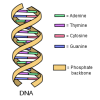
Close, Closer, Closest
Source Institutions
In this activity, learners perform an experiment that models a chromatography-like process called electrophoresis, a process used to analyze DNA.
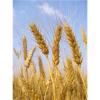
Wheat Germ DNA Extraction
Source Institutions
This laboratory exercise is designed to show learners how DNA can easily be extracted from wheat germ using simple materials.

Gene Switches
Source Institutions
In this activity, learners explore how genetic switches function and the role of genetic switches in the process of evolution.
Not Just A Bag Of Beans
Source Institutions
In this activity, learners count and measure kidney beans to explore natural selection and variation. Learners measure the length of 50-100 beans.
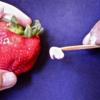
A Simply Fruity DNA Extraction
Source Institutions
In this activity, learners extract DNA from a strawberry and discover that DNA is in the food they eat.
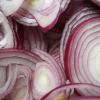
Onion DNA Extraction
Source Institutions
This laboratory exercise is designed to show learners how DNA can easily be extracted from onion cells using simple materials.
Busted by Biology
Source Institutions
In this two-part activity, learners will extract their own DNA from their cheek cells and learn how DNA is analyzed and used to solve crimes.

Code Cracker
Source Institutions
Whether it's the genetic code, an ancient language, or patterns of light in a distant galaxy, scientists often have to play the role of decoder.
“Chips” Off the Old Block?
Source Institutions
In this activity, learners bake cookies by following different recipes to better understand genetic mutations. Everyone in the group bakes the same type of cookie: chocolate chip.
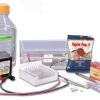
Colorful Electrophoresis
Source Institutions
In this activity, learners follow step-by-step instructions to build a gel electrophoresis chamber using inexpensive materials from local hardware and electronic stores.
How to Extract DNA From Anything Living
Source Institutions
In this genetics activity, learners discover how to extract DNA from green split peas.

Life Size: What's in a microbe?
Source Institutions
In this activity on page 3 of the PDF, learners visualize the relative size and structural differences between microbes that have the potential to cause disease.
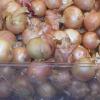
Isolation of DNA from Onion
Source Institutions
This laboratory exercise is designed to show learners how DNA can easily be extracted from onion cells. It includes an optional test for the presence of DNA.
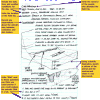
Keeping a Field Journal
Source Institutions
In this activity, learners start their own field journal to better understand the wildlife in their area.
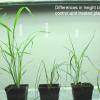
Effect of Environment on Plant Growth
Source Institutions
The purpose of this plant biotechnology activity is to demonstrate the effect of changes in the environment on the growth and fertility of landscape grasses and crop grasses such as wheat and rice.
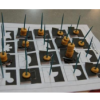
Fruity-Glows: Pictures of Health on a Microarray Canvas
Source Institutions
In this activity (page 12), learners apply the concepts of pixilation and pointillism to the world of biomedical science.