
Search Results
Showing results 1 to 20 of 76
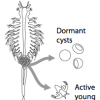
Abuse-a-Cyst
Source Institutions
In this activity, learners examine how brine shrimp populations can survive in some of the harshest environments.
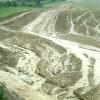
Identifying Erosion
Source Institutions
In this environmental science activity (page 3 of the PDF), leaners will identify and explain the causes of erosion.
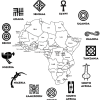
African Arts
Source Institutions
In this two-day activity (on pages 16-22), learners use a process like that of the Yoruba people of Nigeria to create an African symbol on cloth.
Making With Microbes
Source Institutions
In this design challenge, learners will use microbes to design and grow a custom biomaterial at home and make something creative with it.
Rumination
Source Institutions
In this activity (on pages 24-34), learners explore the four-part stomach of cows (and other grazing animals called ruminants), and compare it to the human one-part stomach and its digestive process.
Who Goes There?
Source Institutions
In this outdoor, night activity, learners track nocturnal animals' footprints, droppings and other signs of their presence.
Mussel Your Way Through Photosynthesis
Source Institutions
Using zebra mussels (Dreissena polymorpha), elodea and an indicator dye, learners study the role of light in photosynthesis.
Salty Pits
Source Institutions
In this activity, learners explore how different deodorants work. Learners treat agar plates with different types of deodorants and compare the bacteria growth on the plates to the control sample.
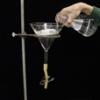
Free-living and Plant-Parasitic Nematodes (Roundworms)
Source Institutions
This lesson introduces learners to the world of nematodes (roundworms).
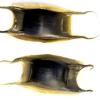
Mermaid's Purse
Source Institutions
In this activity (page 2 of pdf), learners craft a model of a skate egg case and come to understand that cartilaginous fish such as sharks and shakes employ reproductive strategies that differ from th
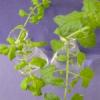
Tobacco Mosaic Virus
Source Institutions
In this four-part laboratory exercise, learners investigate properties of Tobacco mosaic virus (TMV) including (1) symptoms induced by the virus in susceptible plants at the macroscopic and microscopi
Air-filled (Pneumatic) Bone Experiments
Source Institutions
Just like birds, some dinosaurs had air-filled (pneumatic) bones, which made the dinosaurs' skeletons lighter.
Dirt Life
Source Institutions
After an interest-generating discussion about "dirt" and microbes, learners select and collect soil samples from a variety of locations (schoolyard, home, etc.).
Take a Plant to Lunch
Source Institutions
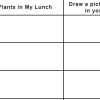
Learners make a "menu" of any plants in their lunch for Monday through Friday and draw the plants from their lunch.

Nano Scavenger Hunt
Source Institutions
This is an activity (located on page 3 of PDF under Where's Nano? Activity) about identifying nanoscale objects and phenomena in today's world.
Making Recycled Paper
Source Institutions
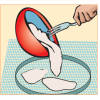
In this activity on page 11 of the PDF, learners follow simple steps to recycle old newspaper into new paper.
The Water Cycle
Source Institutions
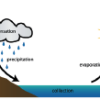
Did you know that the water we use today is the same water found on Earth millions of years ago? The Earth constantly uses and recycles water in a process called the water cycle.
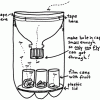
Build a Fruit Fly Trap
Source Institutions
In this construction activity, students use a 2-liter bottle to build a fly trap.
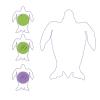
Sea Turtle First Aid Investigation
Source Institutions
This activity (located on page 4 of the PDF under GPS: Sea Turtles Activity) is a full inquiry investigation into testing a repair material.
Germination Station
Source Institutions
In this botany activity, learners will create an experiment about seed germination. This activity gives students an opportunity to explore how seeds germinate and react to surrounding conditions.