
Search Results
Showing results 1301 to 1320 of 2481

Ice Cream Freeze
Source Institutions
In this fun and delicious chemistry activity (page 1 of the PDF), learners will explore the difference between physical and chemical change by making homemade ice cream.
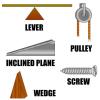
3 Classes of Levers
Source Institutions
In this physics activity (page 3 of the PDF), learners will move a load using a lever of each of the 3 classes. They will explore the differences between these classes and which are more effective.

Double Replacement Micro-Reactions
Source Institutions
In this chemistry activity, learners use common chemicals to examine reactions that occur between two aqueous solutions.
Algebra: Aw Chute!
Source Institutions
In this math lesson, learners determine and compare the rate of descent of various learner-constructed parachutes. Learners construct parachutes that will have maximum hang times.
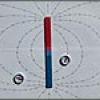
Exploring Magnetic Field Lines
Source Institutions
In this activity, learners explore the magnetic field of a bar magnet as an introduction to understanding Earth's magnetic field. First, learners explore and play with magnets and compasses.
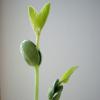
From the Ground Up
Source Institutions
In this plant science activity, learners conduct four experiments to observe how plants respond to sunlight and gravity.
Generating and Recording Data
Source Institutions
In this math activity, learners use a "function machine" to collect and organize simple data. The function machine in this case is a cardboard box and the input/output data are paper fish.

Potion Commotion
Source Institutions
In this hands-on science experiment, students combine their understanding of the different states of matter and the characteristics of various chemical reactions.
The Ladder of Life
Source Institutions
In this activity, learners identify the DNA base bars guanine, cytosine, thymine and adenine. Learners create a DNA model using colored paper clips to resemble these base pairs.

Operation Espionage
Source Institutions
In this activity, learners create and reveal secret messages written with invisible ink! The invisible ink is actually a baking soda solution, and the magical revealing liquid is fruit juice.
Bouncing Balls
Source Institutions
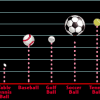
When baseball was in its infancy, the ball had plenty of bounce. Today's baseball may not seem to have bounce to it at all; if you drop a ball on the field it won't bounce back.
Exploring Materials: Graphene
Source Institutions
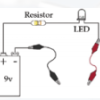
In this activity on page 4 of the PDF, explore the unique molecular structure and conductive nature of graphene. Learners construct a circuit with a battery and LED bulb.

Homework, Hogwarts Style
Source Institutions
In this activity on page 8 of the PDF (Behind the Scenes with Chemistry), learners make three of Harry Potter's essential school supplies: quills, ink, and color-changing paper.
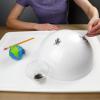
Exploring the Solar System: Magnetic Fields
Source Institutions
The "Exploring the Solar System: Magnetic Fields" activity shows participants how scientists can use tools to study the invisible magnetic fields of Earth, the Sun, and other objects in the universe.
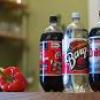
Make Your Own Soda Pop
Source Institutions
In this chemistry activity (page 8 of the PDF), learners will identify the instances of physical change, chemical change, and solutions while making homemade soda pop.

Comparing the Amount of Acid in Different Solutions
Source Institutions
In this activity, learners use detergent solution to compare two solutions containing vinegar and cream of tartar.
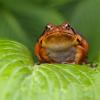
Soak It Up: Understanding Amphibian Permeability
Source Institutions
In this activity, learners will discover how the thin layers of amphibians' skin allow water and other chemicals to pass through it.

Oil Spot Photometer
Source Institutions
In this math activity related to light, learners assemble a photometer and use it to estimate the power output of the Sun.
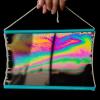
Cellular Soap Opera
Source Institutions
In this activity, learners create a large film of soap and experiment with what can and cannot pass through it.

Temperature Affects Dissolving
Source Institutions
Learners design their own experiment to compare how well cocoa mix dissolves in cold and hot water. They will see that cocoa mix dissolves much better in hot water. Adult supervision recommended.