
Search Results
Showing results 21 to 40 of 41

Lengths of Ladybugs
Source Institutions
In this math lesson, learners explore the concept of using units to measure length.
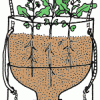
TerrAqua Investigation Column: What is the Land-Water Connection?
Source Institutions
In this investigation, learners plant seeds in a 2-liter bottle filled with soil that is connected to a water source below. Over the next few weeks, learners observe how the plants grow.
Math and Creativity Posters
Source Institutions
These math posters have questions written on them, such as: How many colors can you name in a minute? or How many seconds can you balance on one foot?
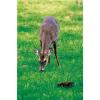
Who Eats What?
Source Institutions
This activity is on page 10 (continued on the right side of page 11) of the pdf, part of the Forest Animals Discovery Box. In this game, learners act out the food web.
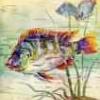
Is it a Fish?
Source Institutions
This activity is on page 8 of the pdf, part of the Sea Life Discovery Box. This is an activity exploring the characteristics of fish.
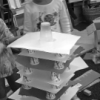
Apartment Buildings and More
Source Institutions
In this engineering activity, young learners investigate multi-level buildings.
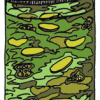
Kimchee Fermentation Chamber
Source Institutions
Learners make kimchee or sauerkraut, which is really just fermented cabbage, in a 2-liter plastic bottle.
The Desert Blooms!
Source Institutions
This activity attempts to clear up the common misconception that deserts are always hot, totally dry, and uninhabitable.
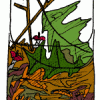
Decomposition Column
Source Institutions
In this activity, learners turn empty 2-liter bottles into a see-through compost container.
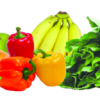
Fruits and Vegetables: Color Your Plate
Source Institutions
In this activity, learners explore healthy choices related to the foods they eat. The importance of a variety of fruits and vegetables to a healthy diet is the focus of the experience.
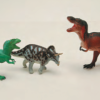
Join the Dinosaur Age
Source Institutions
In this activity, learners rotate through several learning and play stations to explore dinosaurs and paleontologists.
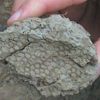
What is a Fossil?
Source Institutions
In this activity about dinosaurs, learners explore how and why fossils form. First, learners are introduced to dinosaur fossils by reading the book "Bones, Bones, Dinosaur Bones" by Byron Barton.
Boats Afloat
Source Institutions
In this water activity, learners build boats that float and sink. First, learners listen to the book, "Who Sank the Boat" and practice making predictions throughout the story.
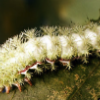
Hungry as a Caterpillar
Source Institutions
In this indoor and outdoor activity, learners discover that insects grow and develop as do all living things, going through a process known as complete metamorphosis.

Waterhouse Hawkins and the Nano Dinosphere Museum
Source Institutions
In this activity, learners explore dinosaurs and fossils by creating a diorama.

Building Tall
Source Institutions
In this engineering activity (page 2 of PDF), young learners investigate how a wide base can make a building more stable. Learners use blocks or boxes of different sizes to construct stable towers.
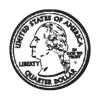
Show Me the Money
Source Institutions
In this math lesson, learners make wallets or purses and then participate in a variety of money-related activities. First, learners make their own paper money and paper wallets or purses.

Patterns and Relationships: Here, There & Everywhere
Source Institutions
In this math activity, learners use a variety of sensory modalities to gain experiences with identifying, describing and creating repeating patterns.
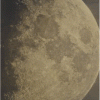
From the Internet to Outer Space
Source Institutions
In this activity, learners will use Google Sky to observe features of the night sky and share their observations.
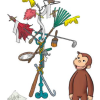
As Straight as a Pole
Source Institutions
In this engineering activity (page 3 of PDF), young learners investigate how a pole can be made stable by “planting” its base in the ground or adding supports to the base.