
Search Results
Showing results 21 to 40 of 41
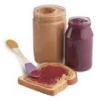
Peanut Butter and Jelly Robot
Source Institutions
This is an activity about robotics programming. Learners will discover how precise programmers have to be as they instruct a friend to make a peanut butter and jelly sandwich.
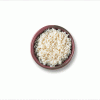
Rice Handle
Source Institutions
In this physics activity, learners attempt to lift a jar full of rice using only a spoon.

Rock Candy
Source Institutions
In this yummy chemistry activity which requires adult supervision, learners use sugar and water to explore how crystals form.
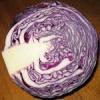
Cabbage Patch Chemistry
Source Institutions
In this chemistry activity, learners will learn how to make their own pH indicator using cabbage leaves, and then test common household items with their homemade indicator.
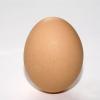
Eggshell Inertia
Source Institutions
In this physics activity (page 14 of the PDF), learners gain a better understanding of how friction and mass affect objects by comparing the rotational inertia of raw and hard-boiled eggs.

Chocolate Lava
Source Institutions
In this yummy earth science activity (page 5 of the PDF), learners use fudge to learn about different kinds of lava.
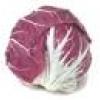
Cabbage Chemistry
Source Institutions
In this chemistry activity (page 5 of the PDF), learners make an acid-base indicator using cabbage. Learners then explore how various subtances react with this indicator.
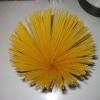
Spaghetti Bridge
Source Institutions
In this engineering activity, learners investigate the differences between the strength of bridges made from flat and round building materials.
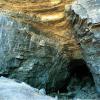
Soda Pop Cave
Source Institutions
In this geology activity (page 6 of the PDF), learners explore how carbonic acid can slowly dissolve limestone and form caves.
Comparing Crystals
Source Institutions
In this chemistry activity (page 3 of the PDF), learners will learn about crystals by growing their very own.
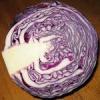
Cabbage Indicator
Source Institutions
In this fun chemistry activity (page 3 of the pdf), learners use cabbage juice to determine the pH of several substances.
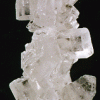
Sugar/Salt Crystals
Source Institutions
In this chemistry activity (page 1 of the PDF), learners will observe a physical change.
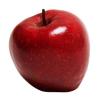
An Apple as Planet Earth
Source Institutions
In this environmental education demonstration (page 6 of the PDF), learners will see a tangible representation of the scarcity of soil resources on earth.
Edible Ink
Source Institutions
In this chemistry activity (page 6 of the PDF), learners observe a chemical change. Learners write and reveal a secret message using edible ink.

Ice Cream Freeze
Source Institutions
In this fun and delicious chemistry activity (page 1 of the PDF), learners will explore the difference between physical and chemical change by making homemade ice cream.

Solar Powered Cooking
Source Institutions
In this activity, learners make a solar oven. Learners witness the awesome power of the sun to make a yummy treat--a chocolate chip cookie!
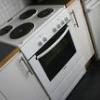
Chemistry Cake
Source Institutions
In this exciting and tasty chemistry activity which requires adult supervision, learners explore how chemistry affects a simple everyday activity like cooking.
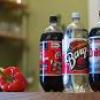
Make Your Own Soda Pop
Source Institutions
In this chemistry activity (page 8 of the PDF), learners will identify the instances of physical change, chemical change, and solutions while making homemade soda pop.
Wrap It Up!
Source Institutions
In this Energy and Environment activity (page 9 of the PDF), learners calculate the mass of a piece of gum, compare it to the mass of the gum's packaging, and then create a bar graph of the results.
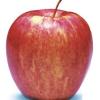
Checking For Starch
Source Institutions
In this chemistry activity (page 3 of the PDF), learners will observe a chemical change, specifically what happens to iodine when it is applied to ripe and unripe apples.