
Search Results
Showing results 1 to 20 of 28
Is That DNA in My Food?
Source Institutions
In this activity, learners extract DNA from wheat germ. Use this activity to introduce learners to DNA, biotechnology and genetic engineering.
Modeling Mendel's Pea Experiment
Source Institutions
This modeling activity allows learners to discover for themselves what Mendel uncovered in his famous pea experiments.
DNA Nanotechnology
Source Institutions
In this activity, learners explore deoxyribonucleic acid (DNA), a nanoscale structure that occurs in nature.
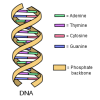
Close, Closer, Closest
Source Institutions
In this activity, learners perform an experiment that models a chromatography-like process called electrophoresis, a process used to analyze DNA.
An Inventory of My Traits
Source Institutions
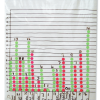
In this genetics meets math activity, learners take inventories of their own easily-observable genetic traits and compare those inventories with other learners in groups.
Wheat Germ DNA Extraction
Source Institutions
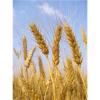
This laboratory exercise is designed to show learners how DNA can easily be extracted from wheat germ using simple materials.
Gene Switches
Source Institutions
In this activity, learners explore how genetic switches function and the role of genetic switches in the process of evolution.
Not Just A Bag Of Beans
Source Institutions
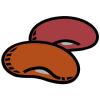
In this activity, learners count and measure kidney beans to explore natural selection and variation. Learners measure the length of 50-100 beans.
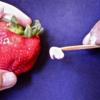
A Simply Fruity DNA Extraction
Source Institutions
In this activity, learners extract DNA from a strawberry and discover that DNA is in the food they eat.
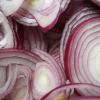
Onion DNA Extraction
Source Institutions
This laboratory exercise is designed to show learners how DNA can easily be extracted from onion cells using simple materials.
The Beaks of the Finches
Source Institutions
In this simulation, learners become birds different beak types. Learners use various tools to represent beaks to pick up seeds and place them in a petri dish.
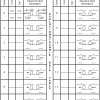
Evolutionstechnik or Selection and Variation in the Egyptian Origami Bird (Avis papyrus)
Source Institutions
In order to examine the random nature of mutations and natural selection, learners "breed" clutches of Egyptian Origami Birds (Avis papyrus) using random number generators (dice and coins) to mutate s

Making Babies
Source Institutions
This activity is designed to introduce learners to genes, genotypes and simple inheritance patterns.
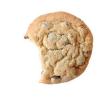
“Chips” Off the Old Block?
Source Institutions
In this activity, learners bake cookies by following different recipes to better understand genetic mutations. Everyone in the group bakes the same type of cookie: chocolate chip.
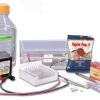
Colorful Electrophoresis
Source Institutions
In this activity, learners follow step-by-step instructions to build a gel electrophoresis chamber using inexpensive materials from local hardware and electronic stores.
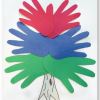
Handy Family Tree
Source Institutions
In this bilingual (English/Spanish) activity, learners create family trees by tracing the hands of their family members.
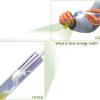
How to Extract DNA From Anything Living
Source Institutions
In this genetics activity, learners discover how to extract DNA from green split peas.
Generations of Traits
Source Institutions
In this hands-on activity, learners track and record the passage of colored "pompom traits" through three generations of gingerbread people.
This Bitter Be Good
Source Institutions
In this health and genetics activity, learners determine whether tasting the bitter compound PTC (phenylthiocarbamide) influences which vegetables a person likes.
Isolation of DNA from Onion
Source Institutions
This laboratory exercise is designed to show learners how DNA can easily be extracted from onion cells. It includes an optional test for the presence of DNA.