
Search Results
Showing results 41 to 54 of 54
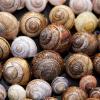
Measuring Biodiversity
Source Institutions
Learners use a variety of beans to represent a variety of species, and scatter these beans over a large piece of paper representing the environment.
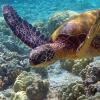
Habitat Adaptation Matchup
Source Institutions
In this activity, learners work in small groups to match various marine animals with their different environments.
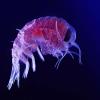
Amphipods: More than Mud
Source Institutions
In this data analysis and environmental science activity, learners examine the effects of pollution on amphipods using data from the Chesapeake Ecotox Research Program.
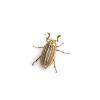
Shake a Shrub
Source Institutions
This is an activity where learners will discover what types and how many insects live in their own backyard.
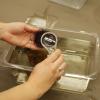
Tide Pool Survival
Source Institutions
In this activity, learners observe tide pool animals in a touch tank to consider how they survive.
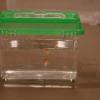
Fish Features and Habitats
Source Institutions
In this activity, learners observe live fish in tanks to consider how their body structures are related to their behaviors and habitats.
Fish Communities: National Marine Sanctuaries
Source Institutions
In this data activity, learners will compare and contrast fish communities, diversity and habitats in U.S. National Marine Sanctuaries.
Invent an Animal
Source Institutions
In this outdoor activity and game, learners explore how animals adapt for survival through coloration, markings and camouflage.
Race for Survival
Source Institutions
During this interactive "survival" game, students learn about the importance of camouflage and how it helps animals to blend into their surroundings, as either predator or prey.
The Legend of the Flying Frog
Source Institutions
In this activity, learners listen to a story about a made-up endangered species--a flying frog! Learners print out six story pages and then draw the pictures and write the captions.
An Interdisciplinary Deer and Human Population Study
Source Institutions
This activity helps the learner answer the question: "What environmental problems arise due to animal and human overpopulation and what might need to be done to combat these problems?" Learners play a
Water Walk
Source Institutions
Learners take a field trip along a local body of water and conduct a visual survey to discover information about local land use and water quality.
Plants Count
Source Institutions
In this activity, learners put on their naturalist hats and explore the world around them.
Conservation Island
Source Institutions
In this lesson, learners will understand the concepts behind endangered and extinct animals and develop their own conservation plan to save three endangered species.