
Search Results
Showing results 21 to 31 of 31
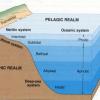
Introduction to Ocean Zones
Source Institutions
In this activity, learners will create a diagram of the ocean zones and determine what organisms live in each zone.
Plants: Hanging Tough
Source Institutions
In this hands-on activity, learners will become familiar with the special adaptations of rainforest plants and discover the conditions needed for tropical trees to survive along with what can impinge
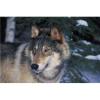
Wolf Limiting Factors
Source Institutions
In this activity, learners simulate a wolf and its habitat and observe what happens when the limiting factors change over time.
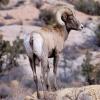
Hike the Habitat: Field Trip in Canyonlands National Park, Utah
Source Institutions
This detailed lesson plan for a field trip to Canyonlands National Park in Utah (page 32 of pdf) teaches students about the habitat of bighorn sheep.
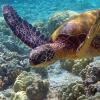
Habitat Adaptation Matchup
Source Institutions
In this activity, learners work in small groups to match various marine animals with their different environments.
Survivors! The People of the Arctic
Source Institutions
In this activity, learners use maps to locate the Arctic region and use a word game to discover the types of resource people need to survive in the extreme climate.

Hatch-a-Cyst
Source Institutions
What is the optimal environment for hatching brine shrimp? Using a scaffold, learners design and conduct experiments testing the effect of a single abiotic factor on brine shrimp cyst hatch rate.

Sea Turtle Populations
Source Institutions
In this activity (on page 2 of PDF under GPS: Sea Turtles Activity), learners will model how a sea turtle population changes over time, from eggs to adults, using puffed rice.
Survival of the Fittest: Variations in the Clam Species Clamys sweetus
Source Institutions
This guided inquiry three-part activity engages learners in thinking about the mechanism of natural selection by encouraging them to formulate questions that can be answered through scientific investi

Survival of the Fittest: Battling Beetles
Source Institutions
This guided inquiry three-part activity engages learners in thinking about the mechanism of natural selection through data collection and pattern recognition.
Plants Count
Source Institutions
In this activity, learners put on their naturalist hats and explore the world around them.