
Search Results
Showing results 1741 to 1760 of 2059
Rubber Band Thermodynamics
Source Institutions
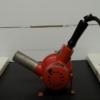
In this demonstration, learners explore the thermal properties of rubber. Learners investigate whether a rubber band contracts or expands when heated.
Lagging Sound
Source Institutions
In this group activity, learners see and hear the speed of sound. A learner designated the "gonger" hits a gong, once every second, as the rest of the group watches and listens from a distance.
Twirling in the Breeze
Source Institutions
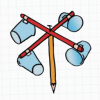
In this engineering activity, learners build a device (an anemometer) to measure how fast the wind is blowing.
Temperature Time Warp
Source Institutions
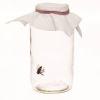
In this activity, learners explore the behavior of cold-blooded animals. Learners discover what happens when they change a fly's temperature.
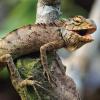
Adaption Artistry
Source Institutions
In this creativity-based activity, learners imagine what the Earth will look like in the near and distant future, then design their own future habitat and creatures that may live there.
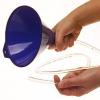
Listen to THIS!
Source Institutions
In this activity, learners use plastic tubing and a funnel to listen to their heart. Learners also discover that if they run around, their heart pumps harder and faster, making it easier to hear.
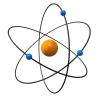
Scaling an Atom
Source Institutions
In this activity, learners make a scale model of an atom to see how big or how small an atom is compared to its nucleus. Learners will realize that most of matter is just empty space!
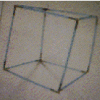
Ambiguous Cube
Source Institutions
In this activity, learners construct a three-dimensional ambiguous cube to explore visual illusions and how our brains interpret or misinterpret information.
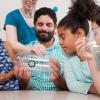
Exploring Earth: Investigating Clouds
Source Institutions
“Exploring Earth: Investigating Clouds” is a hands-on activity in which visitors create a cloud in a bottle and explore it with laser light.
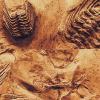
Familiar Fossils
In this activity, learners explore different types of fossils by making their out of dough and objects from around the house.
Handwashing Laboratory Activities: Bowl Technique
Source Institutions
In this lab (Activity #2 on page), learners compare bacteria growth on two petri dishes containing nutrient agar. Learners touch the doors, faucets, etc.
Thumbs Away!
Source Institutions
Learners discover how important their thumbs are by attempting various tasks without them. After tying up their thumbs, learners attempt to legibly write their names or play catch with a tennis ball.
Sound Dampeners
Source Institutions
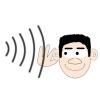
In this activity, learners will experiment with water- and air-filled balloons as a way of dampening sound before it reaches their ears.

Your Sense of Taste: Discover the real taste of candy
Source Institutions
Your tongue can sense about 6 different flavors (salty, sweet, bitter, sour, umami/savory, and fat), but your nose provides a lot more "taste" information than you realize when you eat.
Great Openings: Slots, 35 Sense, and Hole In One
Source Institutions
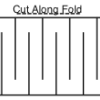
These three short activities challenge groups to fit objects through paper and index cards: "Slots" presents the challenge for one learner to figure out which objects fit through a hole cut by another
Shell Shifts
Source Institutions
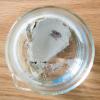
Ocean acidification is a big issue due to the amount of carbon dioxide humans release. CO2 in the atmosphere is absorbed into the ocean thus changing its acidity.
If Trash Could Talk
Source Institutions
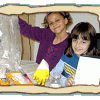
Ancient trash tells archaeologists a lot about the past. In this activity, learners take a close look inside their trash can and think about the clues it offers about their lives.

Gel Electrophoresis
Source Institutions
In this activity, learners simulate the process of DNA fingerprinting by using electricity to separate colored dyes.
Make a Museum Collection at Home
Source Institutions
In this activity, learners will create their own museum collection using their favorite toys, drawings, or collection.
Why Are Bubbles So Colorful?
Source Institutions
In this activity, learners explore why they can see colors in bubbles and why they change.