
Search Results
Showing results 3441 to 3460 of 4037
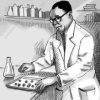
Forgotten Genius
Source Institutions
This series of chemistry stations is designed to accompany the PBS documentary about African-American chemist "Percy Julian: Forgotten Genius." Each of the six stations features either a chemical or p
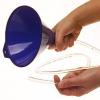
Listen to THIS!
Source Institutions
In this activity, learners use plastic tubing and a funnel to listen to their heart. Learners also discover that if they run around, their heart pumps harder and faster, making it easier to hear.
Pesticide Watch Card
Source Institutions
After learning that some of the chemicals we add to food crops may have harmful consequences on our health and the health of the environment, learners will create a pocket-sized card with their favori
Plant Parts and Their Diseases
Source Institutions
This exercise is designed to teach young learners the different parts of a plant (root, stems, leaves, flowers, fruit, and seeds), the basic functions of each part, and to show that tiny microscopic o
DNA Detective
Source Institutions
This activity is about collecting and analyzing DNA as part of a criminal investigation.
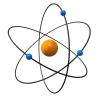
Scaling an Atom
Source Institutions
In this activity, learners make a scale model of an atom to see how big or how small an atom is compared to its nucleus. Learners will realize that most of matter is just empty space!
Design Your Own Rube Goldberg Machine
Source Institutions
Engineer and cartoonist Rube Goldberg is famous for his crazy machines that accomplish everyday tasks in overly complicated ways.
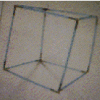
Ambiguous Cube
Source Institutions
In this activity, learners construct a three-dimensional ambiguous cube to explore visual illusions and how our brains interpret or misinterpret information.
Exploring Earth: Investigating Clouds
Source Institutions
“Exploring Earth: Investigating Clouds” is a hands-on activity in which visitors create a cloud in a bottle and explore it with laser light.
Rocket Reactions
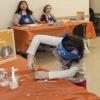
Source Institutions
The "Rocket Reactions" activity is an exciting way to learn about how materials interact, behave, and change.
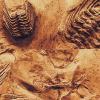
Familiar Fossils
In this activity, learners explore different types of fossils by making their out of dough and objects from around the house.
Handwashing Laboratory Activities: Bowl Technique
Source Institutions
In this lab (Activity #2 on page), learners compare bacteria growth on two petri dishes containing nutrient agar. Learners touch the doors, faucets, etc.
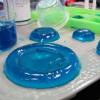
Casting and Molding
Source Institutions
This activity was designed for blind learners, but all types of learners can explore the process used to cast and mold molten metal, glass, and plastics.
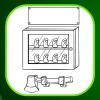
Thumbs Away!
Source Institutions
Learners discover how important their thumbs are by attempting various tasks without them. After tying up their thumbs, learners attempt to legibly write their names or play catch with a tennis ball.
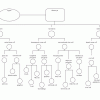
The Game of Life: Stem Cell Edition
Source Institutions
In this activity, learners play a game that models what happens as stem cells differentiate into different cell types.
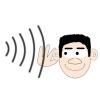
Sound Dampeners
Source Institutions
In this activity, learners will experiment with water- and air-filled balloons as a way of dampening sound before it reaches their ears.

Your Sense of Taste: Discover the real taste of candy
Source Institutions
Your tongue can sense about 6 different flavors (salty, sweet, bitter, sour, umami/savory, and fat), but your nose provides a lot more "taste" information than you realize when you eat.
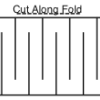
Great Openings: Slots, 35 Sense, and Hole In One
Source Institutions
These three short activities challenge groups to fit objects through paper and index cards: "Slots" presents the challenge for one learner to figure out which objects fit through a hole cut by another
DIY Recycled Crayons
Source Institutions
In this activity, learners will experience the different states of matter using crayons as the medium. Explore matter changing between phases while recycling old crayons.
Shell Shifts
Source Institutions
Ocean acidification is a big issue due to the amount of carbon dioxide humans release. CO2 in the atmosphere is absorbed into the ocean thus changing its acidity.