
Search Results
Showing results 1 to 20 of 68
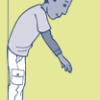
Throw Your Weight Around
Source Institutions
During this activity, learners take part in a variety of tasks which involve moving and balancing different body parts.
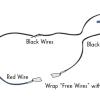
Neural Network Signals
Source Institutions
In this activity, learners create an electrical circuit and investigate how some dissolved substances conduct electricity.

Slap Shot
Source Institutions
How quick are your reflexes? In this online game, you are a hockey goalie defending quick slap shots. Learn about reaction time, muscle memory, and reflexes.
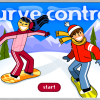
Curve Control
Source Institutions
In this online game, learners must keep their snowboarding racer in the middle of the course without veering off track or hitting obstacles.
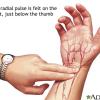
The Pulse of Gravity
Source Institutions
In this astronomy activity (page 3 of the PDF), learners will examine the effects of gravity on a person’s pulse and explore how gravity can differ from planet to planet.

Olympic Track Meet
Source Institutions
In this activity, learners discover how exercise helps keep the body healthy. Learners increase their heart rates by running and understand how running fast versus walking affects their pulse rates.
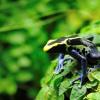
Frog Olympics
Source Institutions
Did you know that a bullfrog can jump a distance of 10 times its body length? Learn more about nature's most acrobatic amphibian, the frog, through this set of short, hands-on activities.
Balance Challenge
Source Institutions
In this quick activity, learners take a balance challenge to measure their average balance time. As they collect data, they investigate how practice and repetition improve their balance time.

Moving to a Healthier Life
Source Institutions
This game presents you with several different choices you can make in the course of your everyday life to increase your level of physical activity and be healthier.
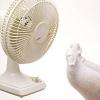
Sock It To Me
Source Institutions
In this activity, learners discover how sweating makes us feel cooler. Learners put on one damp sock and one dry sock and sit in front of a fan.

Work Up An Appetite
Source Institutions
In this activity, learners participate in fun movement activities while playing on a giant game board. Use this activity to get learners involved in physical activity.
Ins and Outs of Respiration: Determine your Respiratory Rate
Source Institutions
Learners will determine their respiratory rate and explore the factors that affect breathing rate by filling out and using the Respiratory Chart provided in the lesson.
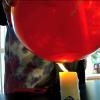
Do Sweat It!
Source Institutions
In this activity, learners explore why humans sweat. Learners compare the effects of heat on a balloon filled with air and a balloon filled water.

Running on Empty
Source Institutions
In this exercise and nutrition activity, learners will explore how food is the fuel that powers them. They will create a chart to figure out how many calories they burn during recess.

Take It in Stride
Source Institutions
In this health and fitness activity, learners focus on the importance of daily physical activity, specifically walking.
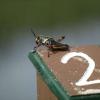
Jump Start
Source Institutions
In this movement and measurement activity, learners jump as far as they can three times, and compare their longest jump to the longest jump of their friends, classmates and/or family members.
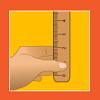
Reaction Time
Source Institutions
In this activity, learners explore reaction time and challenge themselves to improve their coordination. Do you want to move faster? Catch that ball that you never seem to see in time?
Wheel of Fitness
Source Institutions
In this fun activity for any size group, early elementary learners complete physical challenges while playing a game. Learners add new challenges to the "wheel of fitness" that they want to try.
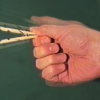
Clothespin Workout
Source Institutions
This is a great activity about human energy production. Learners will work out with a clothespin to investigate why hockey players jump on a stationary bike after an intense game.
Hunger Signals
Source Institutions
This game explores the different reasons we choose to eat, and helps us be aware of when our body needs food and when it does not.