
Search Results
Showing results 41 to 60 of 69
Build a Bridge
Source Institutions
In this activity, learners use recycled materials to build a bridge that holds as many potatoes as possible. They investigate weight, height, strength, and measurement as they seek design solutions.
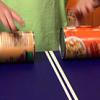
Soup Can Derby
Source Institutions
In this activity (on page 2 of PDF under GPS: Roller Coaster Design Activity), learners will use food cans of many different properties (sizes, shapes, and weights) and set two cans on their sides at
A Recipe for Air
Learners use M&Ms® (or any other multi-color, equally-sized small candy or pieces) to create a pie graph that expresses the composition of air.
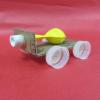
Balloon Car
Source Institutions
In this activity, learners explore force and motion by constructing cardboard cars that are propelled by balloons.
Sort It Out!
Source Institutions
In this activity, learners explore how engineers have developed sorting systems which integrate into manufacturing and packaging processes. Learners explore how coins are made.
Soaring Towers: Building with Recycled Materials
Source Institutions
In this activity, learners will build the highest tower they can out of recycled materials.
Air Cannon
Source Institutions
In this activity (page 1 of PDF under SciGirls Activity: Forecasting), learners will construct an air cannon by cutting a hole in the bottom of a bucket and stretching a garbage bag over the other end
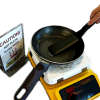
Shrinkers
Source Institutions
In this hands-on activity, learners use heat to shrink samples of polystyrene plastic (#6 recycle code). Learners compare the size and shape of the plastic pieces before and after shrinking.
Shrinkers: Cook up some plastic!
Source Institutions
In this activity (on page 2 of the PDF), learners (with adult help and supervision) investigate how heat affects polystyrene plastic.
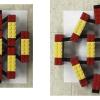
Exploring the Nanoworld with LEGO Bricks: Structure-Property Relationships at the Nanoscale
Source Institutions
In this activity (pages 32-41), learners learn how the atomic and molecular arrangement of matter are related to physical properties.
Salt 'n Lighter
Source Institutions
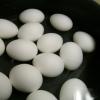
In this activity, learners discover that as the salinity of water increases, the density increases as well. Learners prove this by attempting to float fresh eggs in saltwater and freshwater.
Surface Area and Soda Geysers
Source Institutions
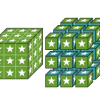
This is an activity (located on page 4 of the PDF under Surface Area Activity) about surface area and reactivity.
Cookie Surface Area
Source Institutions
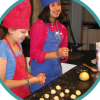
This is an activity (on page 2 of the PDF under Surface Area Activity) about surface area to volume ratio.
Above Water: Buoyancy & Displacement
Source Institutions
In an investigation called "Shape It!" learners craft tiny boats out of clay, set them afloat on water and then add weight loads to them, in order to explore: how objects stay afloat in water; what th
That's the Way the Ball Bounces: Level 1
Source Institutions
In this activity, learners prepare four polymer elastomers and then compare their physical properties, such as texture, color, size, and bounce height.
Exploring the Nanoworld with LEGO Bricks: Structures at the Nanoscale
Source Institutions
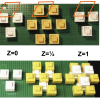
In this activity (pages 7-16), learners model various crystal structures with LEGOs. This activity also contains additional links that explain how to create other crystal structures.
Lift Experiment
Source Institutions
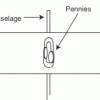
In this experiment, learners investigate how the size of a wing affects lift. Learners count the number of pennies an egg crate plane wing can hold until the plane will no longer fly.
How Big is Small
Source Institutions
In this classic hands-on activity, learners estimate the length of a molecule by floating a fatty acid (oleic acid) on water.
Size and Scale: Probing and Predicting
Source Institutions
In this quick activity about predicting (located on page 2 of the PDF under Where's Nano?
Sugar Crystal Challenge
Source Institutions
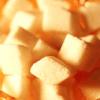
This lesson focuses on surface area and how the shape of sugar crystals may differ as they are grown from sugars of different coarseness.