
Search Results
Showing results 1 to 20 of 34

Lean, Mean Information Machine: Using a Simple Model to Learn about Chromosomal DNA
Source Institutions
Learners observe a model of a cell and its chromosomal DNA made from a plastic egg and dental floss. Use this model to illustrate how much DNA is held in one cell.
Is That DNA in My Food?
Source Institutions
In this activity, learners extract DNA from wheat germ. Use this activity to introduce learners to DNA, biotechnology and genetic engineering.
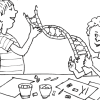
Inside DNA
Source Institutions
In this activity (on pages 34-39), learners make a fairly detailed model of DNA using licorice and gumdrops.
Home Molecular Genetics
Source Institutions
In this activity, learners extract DNA from their own cheek cells, then create a rudimentary DNA profile similar to those seen on crime scene dramas.
DNA Nanotechnology
Source Institutions
In this activity, learners explore deoxyribonucleic acid (DNA), a nanoscale structure that occurs in nature.
Close, Closer, Closest
Source Institutions
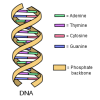
In this activity, learners perform an experiment that models a chromatography-like process called electrophoresis, a process used to analyze DNA.
Wheat Germ DNA Extraction
Source Institutions
This laboratory exercise is designed to show learners how DNA can easily be extracted from wheat germ using simple materials.
A Simply Fruity DNA Extraction
Source Institutions
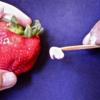
In this activity, learners extract DNA from a strawberry and discover that DNA is in the food they eat.
Onion DNA Extraction
Source Institutions
This laboratory exercise is designed to show learners how DNA can easily be extracted from onion cells using simple materials.

Biobarcodes: Antibodies and Nanosensors
Source Institutions
In this activity/demo, learners investigate biobarcodes, a nanomedical technology that allows for massively parallel testing that can assist with disease diagnosis.
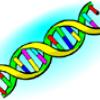
Make Your Own DNA
Source Institutions
Learners match puzzle pieces to outlines of a DNA strand. The puzzle pieces represent the four chemicals making up DNA base pairs: adenine, thymine, guanine, and cytosine.
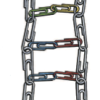
The Ladder of Life
Source Institutions
In this activity, learners identify the DNA base bars guanine, cytosine, thymine and adenine. Learners create a DNA model using colored paper clips to resemble these base pairs.
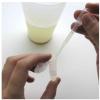
Exploring Structures: DNA
Source Institutions
In this activity, learners create a necklace of wheat germ DNA. Learners add alcohol to wheat germ so that the DNA clumps together.
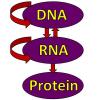
Protein Factory
Source Institutions
In this activity, learners take on the role of various parts of the cell in order to model the process of protein synthesis.

Make a DNA Model
Source Institutions
In this activity, learners make a 3-D model of DNA using paper and toothpicks. While constructing this model, learners will explore the composition and structure of DNA.
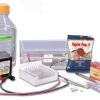
Colorful Electrophoresis
Source Institutions
In this activity, learners follow step-by-step instructions to build a gel electrophoresis chamber using inexpensive materials from local hardware and electronic stores.
How to Extract DNA From Anything Living
Source Institutions
In this genetics activity, learners discover how to extract DNA from green split peas.
Self-Assembly Game
Source Institutions
This is a quick game about self-assembly (page 2 of PDF under Self-Assembly Activity). Like the molecules of DNA, learners will self-assemble into a pattern by following a simple set of rules.
DNA Extraction
Source Institutions
Learners use a simple process to extract DNA from strawberries.
Isolation of DNA from Onion
Source Institutions
This laboratory exercise is designed to show learners how DNA can easily be extracted from onion cells. It includes an optional test for the presence of DNA.