
Search Results
Showing results 401 to 420 of 583
Constellation Chamber
Source Institutions
Learners build 3D representations of constellations, which show not just the position of the stars as seen from Earth but also their relative distance from Earth.
Eat Like a Bird
Source Institutions
Birds' beaks are designed to allow birds to get the most of whatever food they need. In this activity, learners get an idea of how different beak shapes suit different food sources.
Build a Bridge
Source Institutions
In this activity, learners use recycled materials to build a bridge that holds as many potatoes as possible. They investigate weight, height, strength, and measurement as they seek design solutions.
Drinking Straw Oboe
Source Institutions
In this quick activity (page 1 of the PDF under SciGirls Activity: Music and Sound), learners will construct an oboe-like instrument from a plastic drinking straw by cutting the end to split it into t
Bet the Farm
Source Institutions
This is an online game about the complexities of farming. Learners will "draw" cards and make decisions about how to take care of their farm.
Calcium Collage
Source Institutions
In this activity (on pages 11-14 of PDF), learners cut out pictures from magazines of foods that help make bones strong and glue the pictures to a paper bone.

Fill it to Capacity
Source Institutions
In this math lesson, learners rotate through six estimating and measuring centers. First, learners read the book, "Room for Ripley" by Stuart J.
Throw Your Weight Around
Source Institutions
During this activity, learners take part in a variety of tasks which involve moving and balancing different body parts.

Tri, Tri Again
Source Institutions
Learners estimate how many small triangles will fill a larger shape. Then they use a triangle stamp (or stencil made from a file folder) to fill the larger shape with triangles.
Chemistry Is Colorful
Source Institutions
In "Chemistry is Colorful" learners explore different materials through paper chromatography.
Colour by Numbers: Image Representation
Source Institutions
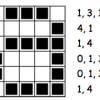
This activity shows learners how computers use numbers to represent pictures. A grid is used to represent the pixels (short for picture elements) of a computer screen.
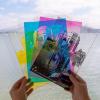
The Three Little Pigments: Science activity that demonstrates the primary and secondary colors of lightScience activity that demonstrates the primary and secondary colors of light The Three Little Pigments Know your C, M, Y, and K.
Source Institutions
Align four color transparencies, each one a single color (cyan, magenta, yellow, and black), and see a beautiful full color image.

NEWspaper: Make Your Own Paper
Source Institutions
Learners make their own paper using old newspaper. Learners can make their paper colorful by adding construction paper.
Plant Hunt
Source Institutions
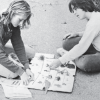
In this outdoor activity and game, learners collect and sort leaf samples to determine how many types of plants grow in the activity site.
Kaleidoscope
Source Institutions
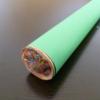
In this activity, learners build inexpensive kaleidoscopes using transparency paper and foil (instead of mirrors).
Minibot
Source Institutions
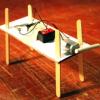
In this activity, learners build a mini dancing robot. This engineering activity introduces learners to electricity, circuits, switches, conductivity, and motors.
Hot Air Balloon
Source Institutions
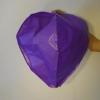
In this activity, learners build a hot air balloon using just a few sheets of tissue paper and a hair dryer.
Protein Bracelets
Source Institutions
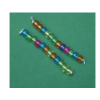
In this activity, learners use beads, which represent amino acids, to create protein bracelets. Learners examine the relationship between amino acids and proteins.
Carbon Cycle Roleplay
Source Institutions
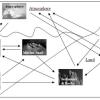
In this creative roleplay activity, learners will explore the various processes of the carbon cycle using movement and props to aid in comprehension.
Rearing Monarchs
Source Institutions
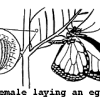
As a long-term project, you can rear monarch butterflies at home or in a classroom.