
Search Results
Showing results 21 to 40 of 97
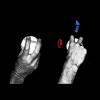
Thrown For A Curve: Pitch Like A Big Leaguer
Source Institutions
You may have tried to throw a curveball or a slider, or even a screwball, with an ordinary baseball and found it difficult to do.
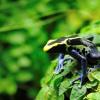
Frog Olympics
Source Institutions
Did you know that a bullfrog can jump a distance of 10 times its body length? Learn more about nature's most acrobatic amphibian, the frog, through this set of short, hands-on activities.
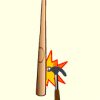
Finding the Sweet Spot
Source Institutions
In this activity, learners will discover how to find the "sweet spots" on a baseball bat. Whenever an object is struck, it vibrates in response.
Strike 'em Down & Add 'em Up!
Source Institutions
In this activity, reuse two-liter bottles to create bowling pins. Learners practice math skills and develop a concept of verifying answers, while bowling and keeping score.
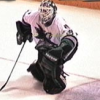
Think Fast!: Just How Quick Are You?
Source Institutions
This is an activity about reaction times. Just how quickly must an NHL goalie respond to save a shot, and how does your reaction time compare?
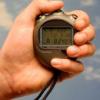
Just a Minute
Source Institutions
How much can you do in one minute? In this activity, learners estimate how many times a partner can complete a task (like writing their name or jumping jacks) in one minute.
Pace-Off!
Source Institutions
In this math activity, learners use non-standard measurement (paces) to find the distance from one point to another. Learners practice estimating and measuring distances .

Skateboard Disaster
Learners examine collisions between two skateboards carrying different masses. They learn about conservation of momentum in collisions.
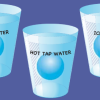
What Counts in Bounce
Source Institutions
In this activity learners compare the bounciness of warm and cold racquetballs to see if temperature makes a difference in how well they bounce.
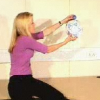
Extra Bounce
Source Institutions
In this indoor or outdoor demonstration, use a large and small ball to illustrate conservation of energy and momentum.
Balance Challenge
Source Institutions
In this quick activity, learners take a balance challenge to measure their average balance time. As they collect data, they investigate how practice and repetition improve their balance time.
Work for Your Money
Source Institutions
In this math activity, learners earn "money" by completing simple tasks. Learners complete as many "jobs" as possible in a set amount of time.

Moving to a Healthier Life
Source Institutions
This game presents you with several different choices you can make in the course of your everyday life to increase your level of physical activity and be healthier.
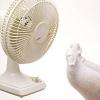
Sock It To Me
Source Institutions
In this activity, learners discover how sweating makes us feel cooler. Learners put on one damp sock and one dry sock and sit in front of a fan.

Jump Like a Frog
Source Institutions
In this math activity, learners jump and measure how far they can jump on different surfaces using different jumping techniques.
Ins and Outs of Respiration: Determine your Respiratory Rate
Source Institutions
Learners will determine their respiratory rate and explore the factors that affect breathing rate by filling out and using the Respiratory Chart provided in the lesson.

Do Sweat It!
Source Institutions
In this activity, learners explore why humans sweat. Learners compare the effects of heat on a balloon filled with air and a balloon filled water.
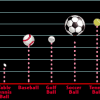
Bouncing Balls
Source Institutions
When baseball was in its infancy, the ball had plenty of bounce. Today's baseball may not seem to have bounce to it at all; if you drop a ball on the field it won't bounce back.

Take It in Stride
Source Institutions
In this health and fitness activity, learners focus on the importance of daily physical activity, specifically walking.

Pop Fly
Source Institutions
In this design challenge activity, learners invent a way to send a Ping-Pong ball flying high enough to catch it - like football with a twist!