
Search Results
Showing results 21 to 40 of 52
Can Fishing
Source Institutions
In this outdoor activity, learners go "can fishing" and discover the kinds of aquatic organisms that live in and on submerged cans.
Freshwater Ecosystems
Source Institutions
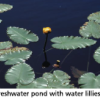
In this activity, learners create a freshwater ecosystem in a large plastic bottle. Learners cut and prepare bottles, then fill with water, aquatic plants, snails and fish.
Butterflies in Space
Source Institutions
The Butterflies in Space Teacher's Guide uses "life in space" to encourage learners to conduct their own open-ended scientific investigations.
Rain Forest in Your Room
Source Institutions
This activity (on pages 19-24) introduces learners to the rain forest's layers—emergent, canopy, understory, and forest floor—and has learners make paper lianas (vines that live attached to trees) and
Nature Walk
Source Institutions
In this activity, learners take an indoor nature walk and discover various objects that have been brought in from the outdoor environment.
Litter Critters
Source Institutions
In this outdoor activity, learners use a "litter-critter" wheel to help them identify different animals they find living in a natural litter habitat.
Wolf Survival
Source Institutions
In this activity, some learners pretend to be wolves, while the other learners pretend to be the prey of the wolf. The goal of the simulation is to have the wolves work together to survive.
Wetland Bioblitz
Source Institutions
This activity (located on page 3 of the PDF under GPS: Temperate Rain Forest Activity) is a full inquiry investigation into biodiversity of a given habitat.
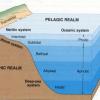
Introduction to Ocean Zones
Source Institutions
In this activity, learners will create a diagram of the ocean zones and determine what organisms live in each zone.
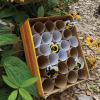
Pollinator Play
Source Institutions
In this activity, learners will build a bee hotel for pollinators. Learners will explore building and ecology through this activity.
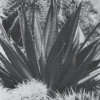
Cactus Wheel
Source Institutions
In this outdoor activity/field trip, learners explore the concept of population density.
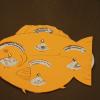
Fish Wheels
Source Institutions
In this activity, learners cut out and assemble wheels to explore how variations in fish body structures (mouth shape/position/teeth, body shape, tail shape, and coloration patterns) allow fish to sur
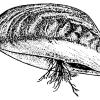
Don't Stop for Hitchhikers
Source Institutions
In this activity, learners role-play the part of lake inhabitants and the aquatic exotics who displace the native species.
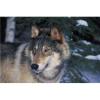
Wolf Limiting Factors
Source Institutions
In this activity, learners simulate a wolf and its habitat and observe what happens when the limiting factors change over time.
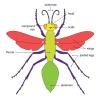
Invent an Insect
Source Institutions
In this creative activity, learners will find out what makes an insect an insect by studying examples of insect adaptations and by examining why there are so many different types of insects.
Mystery of the Disappearing Cottonwoods
Source Institutions
Learners will explore the scientific mystery behind a disappearing group of trees by examining data and attempting to explain the decline.
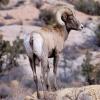
Hike the Habitat: Field Trip in Canyonlands National Park, Utah
Source Institutions
This detailed lesson plan for a field trip to Canyonlands National Park in Utah (page 32 of pdf) teaches students about the habitat of bighorn sheep.
Habitats of the Pond
Source Institutions
In this outdoor activity/field trip, learners locate and study plants and animals in several freshwater pond habitats.
Animal House
Source Institutions
The goal of this activity is to design, build and test a house or toy for an animal.
Measuring Biodiversity
Source Institutions
Learners use a variety of beans to represent a variety of species, and scatter these beans over a large piece of paper representing the environment.