
Search Results
Showing results 1601 to 1620 of 2375
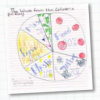
Going Green
Source Institutions
In this activity, learners conduct a waste audit and use their findings to implement a plan for reducing trash.
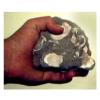
Match Rock
Source Institutions
In this activity, learners try to figure out who has their matching rock type by reading a description of their rock (no talking!).
Color Table: Color your perception
Source Institutions
Look at pictures through different color filters and you'll see them in a new way. People have used color filters in beautiful photography or sending secret messages.
Many Seeds: Estimating Hidden Seeds
Source Institutions
In this activity, learners will estimate how many seeds are in a fruit or vegetable, then count to find out. The result: mix estimation with healthy eating.
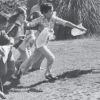
Population Game
Source Institutions
In this outdoor game, learners simulate a herd of deer trying to survive in an area called the "home range." Learners explore the concept of "carrying capacity"—what size population of an organism can
How Many Pennies?
Source Institutions
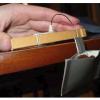
In this activity (pages 13-14), learners investigate the properties of smart materials, which are materials that respond to things that happen around them.
How to Train Your Robot
Source Institutions
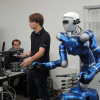
In this activity, learners discover that training a robot can be hard work! Learners investigate how robots complete a task by following a list of sequential instructions.
Bird Feeder
Source Institutions
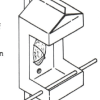
In this outdoor activity, learners construct bird feeders and set them up at to investigate bird behavior for one or two weeks. Multiple feeder designs are suggested.
Liquid Lava Layers
Source Institutions
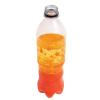
In this activity, learners explore the concepts of density and basic chemical reactions as they create a homemade lava lamp effect using water, oil, food coloring, and Alka-Seltzer tablets.
Mystery Jars: Make Your Own: Estimating and Counting
Source Institutions
Learners make a counting/estimating jar to exchange with friends or bring home.

Coffee-Can Cuíca
Source Institutions
Make a cuíca (“kwee-ka”), a traditional Brazilian musical instrument that originated in Africa. Played primarily in Brazil, now you can play it at home, too, with this Exploratorium produced activity.
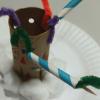
Coral Polyp
Source Institutions
In this activity, learners will create their own coral polyps - the basis for a coral reef.
Good Vibrations
Source Institutions
In this activity, learners create a sound visualizer from common materials to help see the vibrations created by sound. Sounds from a tone generator make salt dance on a vibrating balloon membrane.

Chicken Wing Exploration
Source Institutions
In this activity, learners explore cooked chicken wings and identify the various parts including: bones (radius, ulna, humerus, shoulder joint, elbow joint), tendons, and cartilage.
Splitting White Light
Source Institutions
In this optics activity, learners split white light into all its component colors using three household items: a compact disc, dishwashing liquid, and a hose (outside).
Bet the Farm
Source Institutions
This is an online game about the complexities of farming. Learners will "draw" cards and make decisions about how to take care of their farm.
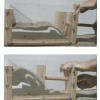
The Squeeze Box
Source Institutions
In this geology activity learners build a "squeeze box," which allows them to compress layers of sediment. This is a great way to investigate folding and faulting in the Earth.
Beach Zonation
Source Institutions
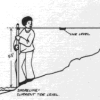
In this outdoor, ocean-side activity, learners investigate the distribution of organisms in the upper region of the intertidal zone.

A Slime By Any Other Name
Source Institutions
This fun video explains how to make a batch of oobleck (or slime) and why this special substance is known as a "non-Newtonian" fluid. Watch as Mr.
Pocket Change: Math and Coin Toss
Source Institutions
In this activity, learners will play a coin toss game where the highest total wins. Combine coin recognition, addition, and probability with a game learners can play on their own.