
Search Results
Showing results 21 to 40 of 82
The Size and Distance of the Planets
Source Institutions
In this activity, learners investigate the concepts of relative size and distance by creating a basic model of the solar system.

Breathing Machine
Source Institutions
In this activity, learners work in teams to construct human lung models from small plastic beverage bottles and balloons.
Marshmallow Models
Source Institutions
No glue is needed for learners of any age to become marshmallow architects or engineers.
Our Solar System to Scale
Source Institutions
In this activity, learners plan and create a 24-foot long, two-dimensional model of our solar system, and compare and contrast the differences between planets and the sun.
My Insect
Source Institutions
In this activity, learners use information gathered from a variety of sources to design and make their own insect.
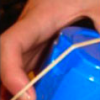
Making Vocal Cords
Source Institutions
In this activity, learners imitate the way vocal cords work by building a model from a plastic cup, rubber band, and a straw.
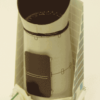
Kepler Paper Model
Source Institutions
In this activity, learners build a paper model of the spacecraft and photometer (telescope) used during NASA's Kepler Mission.
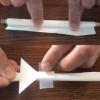
Straw Rockets
Source Institutions
In this activity, learners will create unique rockets. Each rocket will be powered by air as the learner will blow into a straw and watch their rocket fly.
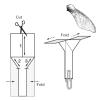
Helicopters
Source Institutions
In this activity, learners will observe how air interacts with a paper helicopter. Learners will test different variables of weight, size, and shape.

Pocket Solar System: Make a Scale Model
Source Institutions
This fun and simple hands-on astronomy activity lets learners build a scale model of the universe with little more than adding machine tape.

Stack 'Em Up
Source Institutions
In this simple and fun activity, learners build a tower of cups to explore distribution of weight. Learners make predictions about their towers and test their designs.
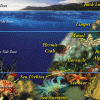
The Wave
Source Institutions
In this multi-step experiment (page 4 of pdf), learners study tide pools, and then drop a "wave" (a 4-pound bag of beans or birdseed) on a shell to mimic the force of crashing surf on tide pool animal
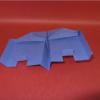
Glider
Source Institutions
In this activity, learners construct a paper glider to experiment with aerodynamic forces.
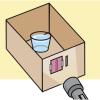
Bending Light
Source Institutions
In this optics activity, learners make a lens and explore how the eye manipulates the light that enters it.
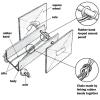
Roving on the Moon
Add to list DetailsIn this design challenge activity, learners build a rubber band-powered rover that can scramble across the room.

Paper Drop Design Competition
Source Institutions
Using paper, paper clips, an index card, and tape, teams of learners design flying devices to (1) stay in the air as long as possible and (2) land as close as possible to a given target.
Building Houses: Build a Cardboard Tube House
Source Institutions
Build a house you can fit inside, using cardboard tubes.
Drip, Drop, Drip, Drop
Source Institutions
In this math lesson, learners design an experiment to model a leaky faucet and determine the amount of water wasted due to the leak.
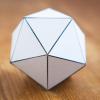
Viral Packaging
Source Institutions
In this activity, learners create virus models, including nucleic acid and proteins, using simple materials. This resource includes information about virus structure and gene therapy.
We Have Capture!
Source Institutions
Using simple materials, learners will construct the end effector (grasping device) of a robotic arm and use the device to capture and pick up an object.