
Search Results
Showing results 1 to 20 of 68
Whatta Web
Source Institutions
In this activity, learners play a game to simulate the food chain.
Energy Sources
Source Institutions
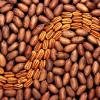
In this activity about the relationship between food and energy (page 5 of PDF), learners conduct an experiment to compare how much energy is released as heat from two different foods.
Maritime Munchies
Source Institutions
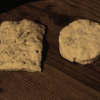
In this activity, learners follow simple historical maritime recipes to cook up hardtack and swanky, and then compare the foods they eat to what was served on ships in the past.
Fruits and Vegetables: Color Your Plate
Source Institutions
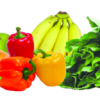
In this activity, learners explore healthy choices related to the foods they eat. The importance of a variety of fruits and vegetables to a healthy diet is the focus of the experience.
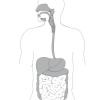
Digestion
Source Institutions
In this food science activity, learners explore digestion and proteins by observing the action of meat tenderizer on luncheon meat.
Energy For Life
Source Institutions
In this activity about the relationship between food and energy (page 1 of PDF), learners observe and quantify the growth of yeast when it is given table sugar as a food source.
Fuel for Living Things
Source Institutions
In this activity, learners observe what happens when yeast cells are provided with a source of food (sugar). Red cabbage "juice" will serve as an indicator for the presence of carbon dioxide.
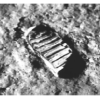
Regolith Formation
Source Institutions
In this three-part activity, learners use food to determine the effects of wind, sandblasting and water on regolith (dust) formation and deposition on Earth.
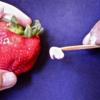
A Simply Fruity DNA Extraction
Source Institutions
In this activity, learners extract DNA from a strawberry and discover that DNA is in the food they eat.
Water: A Basic Ingredient
Source Institutions
In this activity, learners explore healthy choices related to the liquids they drink. The importance of water and milk as essential nutrients for a healthy body is the focus of the experience.
An Interdisciplinary Deer and Human Population Study
Source Institutions
This activity helps the learner answer the question: "What environmental problems arise due to animal and human overpopulation and what might need to be done to combat these problems?" Learners play a
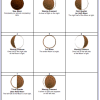
Oreo Phases
Source Institutions
In this activity, learners recreate the lunar phases using the frosting from Oreo® cookies and place the phases in order. Round cream cheese crackers can also be used if cookies are not an option.
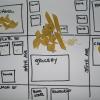
Create a Pasta Population Map
Source Institutions
Learners work as a group to create a map of their community. They use pasta to represent people, and glue the pasta on their maps to show areas of large population.
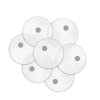
Frog Eggs
Source Institutions
In this activity, learners compare frog eggs to chicken eggs to better understand why frog eggs need water. Learners compare a boiled chicken egg to "frog eggs" represented by boiled tapioca.
How to Extract DNA From Anything Living
Source Institutions
In this genetics activity, learners discover how to extract DNA from green split peas.
Measuring Rules
Source Institutions
In this math activity, learners create their own units of measurement by making noodle rulers. Learners practice estimating and measuring objects using the noodle rulers .
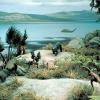
Dinosaur Homes
Source Institutions
In this activity about dinosaurs and survival, learners use scrap materials to create a miniature dinosaur habitat that includes a food source, water source, and shelter.
The Right Fit
Source Institutions
In this math activity, learners trace their hands and estimate the number of beans that can fit into their hand tracings. Then, learners glue the beans to the tracing to test out their estimations.
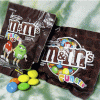
What's the Difference between Weather and Climate?
Source Institutions
In this interactive and informative group activity, learners use packages of M&M's to illustrate the difference between weather and climate.
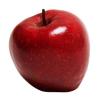
An Apple as Planet Earth
Source Institutions
In this environmental education demonstration (page 6 of the PDF), learners will see a tangible representation of the scarcity of soil resources on earth.