
Search Results
Showing results 1 to 20 of 88
Experiment with Fat
Source Institutions
In this nutrition/food science activity, learners conduct an experiment and record data to compare the amount of fat in different foods.
Food for the Brain
Source Institutions
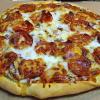
In this activity, learners dissect a piece of pizza to learn about nutrients important for health.
Energy Sources
Source Institutions
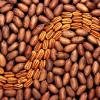
In this activity about the relationship between food and energy (page 5 of PDF), learners conduct an experiment to compare how much energy is released as heat from two different foods.
Chromatography
Source Institutions
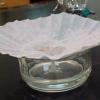
In this chemistry activity, learners will separate a mixture of FD&C dyes (colors certified and allowed by the US for the Food, Pharmaceutical, Cosmetics & Personal Care industry) to practice
Ripening of Fruits and Vegetables
Source Institutions
In this activity, learners test the rate of ripening fruit and vegetables and use a chemical to inhibit the ripening process.
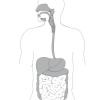
Digestion
Source Institutions
In this food science activity, learners explore digestion and proteins by observing the action of meat tenderizer on luncheon meat.
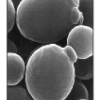
Energy For Life
Source Institutions
In this activity about the relationship between food and energy (page 1 of PDF), learners observe and quantify the growth of yeast when it is given table sugar as a food source.

Tasty Buds
Source Institutions
In this activity (1st activity on the page), learners explore their sense of taste and the structure of the tongue by taste-testing various foods.
Biochemistry Happens Inside of You!
Source Institutions
In this four-part activity, learners explore how the body works and the chemistry that happens inside living things.
Sweet Speedway
Source Institutions
In this activity, learners test different food items by timing how long it takes each liquid to slide from the top of a ramp to the bottom.
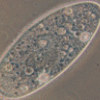
Biological Succession in a Microecosystem
Source Institutions
This laboratory activity helps learners understand the concept of biological succession by simulating the process in a microenvironment with various protozoans.
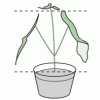
Do Plants Need Light?
Source Institutions
In this food science activity, learners conduct an experiment that demonstrates the importance of light to plants.
Breathing Yeasties
Source Institutions
In this life science activity (page 8 of the PDF), learners explore the carbon cycle by mixing yeast, sugar and water.
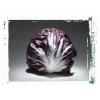
Cabbage Juice Indicator
Source Institutions
In this chemistry activity, learners make indicator solution from red cabbage. Then, learners test everyday foods and household substances using the cabbage juice indicator.
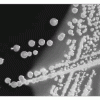
Microbes are Everywhere
Source Institutions
In this four-day activity, learners grow bacteria and/or fungi from a variety of locations and compare the results.
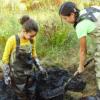
Bury Me Not!
Source Institutions
This activity (page 2 of the PDF under SciGirls Activity: Bogs) is a full inquiry investigation into decomposition.
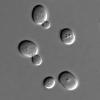
Biotech in a Bag
Source Institutions
In a series of three experiments, learners explore the basics of biotechnology using self-locking plastic baggies. Each experiment demonstrates a phenomenon or principle of biotechnology.
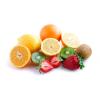
Pennies for Pits
Source Institutions
In this math lesson, learners use fruit to learn about proportions and percentages. Learners compare the weights of the edible and non-edible portions of fruit.
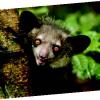
Aye-Aye
Source Institutions
This is an activity about the adaptations that allow the Aye-aye to survive in its habitat. Learners will explore how the Aye-aye collects food and how this is influenced by their specialized finger.
Exploring Baking Powder
Source Institutions
In this activity, learners examine baking powder, a combination of three powders: baking soda, cream of tartar, and cornstarch.