
Search Results
Showing results 21 to 40 of 55
Candy Chemistry
Source Institutions
In this experiment, learners test multiple food items to see if they are an acid or base using an indicator solution created with red cabbage.
Otter Smorgasbord
Source Institutions
In this graphing activity (on pages 33-40), learners investigate how much and what kinds of food sea otter pups eat during their first year of life.
Leaf Living
Source Institutions
In this outdoor fall activity, learners find out what living in or under a layer of leaves is like.
Spice World
Source Institutions
In this activity, learners create a map showing the origins of spices and herbs from a favorite recipe(s). Learners first research the origins of the ingredients and then locate them on a world map.

Swirling Milk
Source Institutions
In this chemistry activity, learners prepare two petri dishes, one filled with water and one filled with milk.
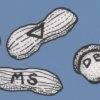
Acorns
Source Institutions
In this outdoor game, learners play the roles of gray or red squirrels gathering and storing a supply of food in "fall" and recovering enough of them to survive the "winter." Learners carry bags repre
Pour Some: Measure Serving Size
Source Institutions
Make snack time into measuring time and learn to read Nutrition Facts labels. Try this when you’re using “pourable” foods, such as cereal, yoghurt, or juice.
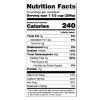
Food to Fuel
Source Institutions
In this activity, learners will explore the foods that are in their kitchen and what sugars are inside of them. Explore nutrition and food labels to better understand the foods you eat.
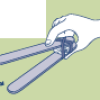
Eat Like a Bird
Source Institutions
Birds' beaks are designed to allow birds to get the most of whatever food they need. In this activity, learners get an idea of how different beak shapes suit different food sources.
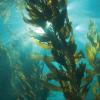
Sensational Seaweed
Source Institutions
In this culinary activity, learners use multiple senses (sight, smell, touch, and taste!) to explore real seaweed samples.
Energy For Life
Source Institutions
In this activity about the relationship between food and energy (page 1 of PDF), learners observe and quantify the growth of yeast when it is given table sugar as a food source.
Many Seeds: Estimating Hidden Seeds
Source Institutions
In this activity, learners will estimate how many seeds are in a fruit or vegetable, then count to find out. The result: mix estimation with healthy eating.

Nutritional Challenges
Source Institutions
In this nutrition activity (page 26 of PDF), learners consider the nutritional needs of people with specific dietary requirements, such as athletes, persons with diabetes and vegetarians, and create a
In Proportion
Source Institutions
Through this nutrition activity (page 5 of the PDF), learners will understand—and probably be surprised by—how big serving sizes of various foods should be.
Energy Sources
Source Institutions
In this activity about the relationship between food and energy (page 5 of PDF), learners conduct an experiment to compare how much energy is released as heat from two different foods.

Edible Earth
Source Institutions
In this activity, learners make a model of the solid Earth's layers that's good enough to eat! Learners use tasty foodstuffs to simulate Earth's inner core, outer core, mantle, and crust.
Fair Shares: Predict Equal Shares
Source Institutions
Use this activity to build division and number sense into any snack time or whenever there is a limited set of things to share among a group: If we deal these out, could everyone get two pieces?
Science Cooks!
Source Institutions
In this health, cooking, and math activity, learners explore nutrition and examine nutrition labels.
Jay Play
Source Institutions
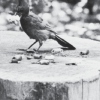
In this outdoor activity, learners find out the color of food that jays prefer and then try to change the birds' preference by altering the taste of the food with salt.
Junk-in-the-Box
Source Institutions
In this outdoor activity, learners explore how a surprising number of animals use human-made litter, such as cans and crumpled paper, to find food and shelter in their environment.