
Search Results
Showing results 1 to 20 of 41
Ball Bounce Experiment
Source Institutions
In this activity, learners investigate the properties of different types of balls.

Mega Bounce
Source Institutions
In this outdoor activity (on page 2 of the PDF under GPS: Baseball Activity), learners will investigate the transfer of energy using sports equipment.
Super Bounce
Source Institutions
In this activity (on page 1 of the PDF under SciGirls Activity: Soccer Ball Kick), learners will investigate the transfer of energy using sports equipment.

Slap Shot
Source Institutions
How quick are your reflexes? In this online game, you are a hockey goalie defending quick slap shots. Learn about reaction time, muscle memory, and reflexes.
Curve Control
Source Institutions
In this online game, learners must keep their snowboarding racer in the middle of the course without veering off track or hitting obstacles.
Mid-Air Maneuver: Skateboard Science
Source Institutions
To understand how skaters turn in midair, try this little experiment! Individuals can do this activity alone, but it works better with a partner.

Olympic Track Meet
Source Institutions
In this activity, learners discover how exercise helps keep the body healthy. Learners increase their heart rates by running and understand how running fast versus walking affects their pulse rates.
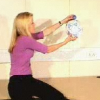
Extra Bounce
Source Institutions
In this indoor or outdoor demonstration, use a large and small ball to illustrate conservation of energy and momentum.
Moving to a Healthier Life
Source Institutions
This game presents you with several different choices you can make in the course of your everyday life to increase your level of physical activity and be healthier.
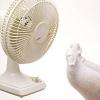
Sock It To Me
Source Institutions
In this activity, learners discover how sweating makes us feel cooler. Learners put on one damp sock and one dry sock and sit in front of a fan.
Ins and Outs of Respiration: Determine your Respiratory Rate
Source Institutions
Learners will determine their respiratory rate and explore the factors that affect breathing rate by filling out and using the Respiratory Chart provided in the lesson.

Hunger Signals
Source Institutions
This game explores the different reasons we choose to eat, and helps us be aware of when our body needs food and when it does not.
Right Foot/Left Foot
Source Institutions
In this activity (2nd on the page), learners conduct a series of tests to find out which foot is more dominant. In other words, are they right-footed or left-footed?

Design For All: Project Playground
Source Institutions
In this design challenge, learners will practice empathy and design thinking skills by creating a play space that is fun, both for themselves and other kids.

Stethoscope
Source Institutions
Make a copy of the first stethoscope with only a cardboard tube! René Laennec invented the first stethoscope in 1819 using an actual paper tube!
Workin' It Out
Source Institutions
In this activity, learners explore how to stay fit the fun way. Learners participate in three physical activities.
Stomp High Low
Source Institutions
Learners work together as a group to learn a new physical activity. After working for a few rotations, learners time themselves as part of a contest.
Math and Creativity Posters
Source Institutions
These math posters have questions written on them, such as: How many colors can you name in a minute? or How many seconds can you balance on one foot?
Screen Time
Source Institutions
This game asks you a series of questions about how much time you spend in front of a screen, not being active.

Pitch, Roll and Yaw: The Three Axes of Rotation
Source Institutions
In this activity (page 87 of the PDF), learners move their bodies to better understand the three axes of rotation: pitch, roll and yaw.