
Search Results
Showing results 1 to 20 of 33
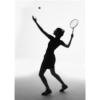
Hit the Spot!
Source Institutions
This is a hands-on activity about the physics of tennis. Learners will discover that physics plays a big part in tennis, no matter what their skill level might be.
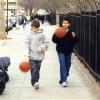
Mega Bounce
Source Institutions
In this outdoor activity (on page 2 of the PDF under GPS: Baseball Activity), learners will investigate the transfer of energy using sports equipment.

Batter Up!
Source Institutions
This activity (on page 3 of the PDF under GPS: Baseball Activity) is a full inquiry investigation into how "bounciness" relates to the distance a ball will fly when hit off a batting tee.
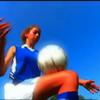
Super Bounce
Source Institutions
In this activity (on page 1 of the PDF under SciGirls Activity: Soccer Ball Kick), learners will investigate the transfer of energy using sports equipment.
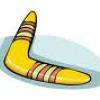
Boomerang
Source Institutions
Everybody loves boomerangs! In this activity about force and motion, the learners will experiment with boomerangs and explore how they work. This is a great activity to get learners up and moving.

Olympic Track Meet
Source Institutions
In this activity, learners discover how exercise helps keep the body healthy. Learners increase their heart rates by running and understand how running fast versus walking affects their pulse rates.
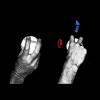
Thrown For A Curve: Pitch Like A Big Leaguer
Source Institutions
You may have tried to throw a curveball or a slider, or even a screwball, with an ordinary baseball and found it difficult to do.
Pace-Off!
Source Institutions
In this math activity, learners use non-standard measurement (paces) to find the distance from one point to another. Learners practice estimating and measuring distances .
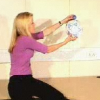
Extra Bounce
Source Institutions
In this indoor or outdoor demonstration, use a large and small ball to illustrate conservation of energy and momentum.
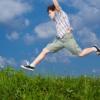
Jump Like a Frog
Source Institutions
In this math activity, learners jump and measure how far they can jump on different surfaces using different jumping techniques.

Take It in Stride
Source Institutions
In this health and fitness activity, learners focus on the importance of daily physical activity, specifically walking.
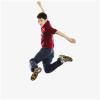
Stepping Out: Hop, Skip, Jump
Source Institutions
In this activity, learners explore and experiment how we can use our bodies everyday to get from one place to another.
Get Moving! Active Play Indoors and Outdoors
Source Institutions
In this activity, learners explore the importance of active play.
Workin' It Out
Source Institutions
In this activity, learners explore how to stay fit the fun way. Learners participate in three physical activities.
Kites
Source Institutions
In this engineering/design activity, learners make a kite, fly it, and then work to improve the design. Learners explore how their kite design variations affect flight.
Cardiac Hill
Source Institutions
In this outdoor activity linking human health to the environment, learners use their pulse rates as a measure of the effort expended in walking on different slopes.
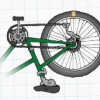
Pedal Power
Source Institutions
In this engineering activity, learners examine bicycle mechanics and gear ratios. Learners determine which gears will help them bike a set course in the shortest amount of time.
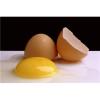
Protect That BRAIN!: Mr. Egghead
Source Institutions
This activity demonstrates the importance of wearing a helmet to protect the brain. An egg is used to symbolize a head with the shell as the skull and the inside of the egg as the brain.

Pitch, Roll and Yaw: The Three Axes of Rotation
Source Institutions
In this activity (page 87 of the PDF), learners move their bodies to better understand the three axes of rotation: pitch, roll and yaw.

Statistics: Steppin' Out
Source Institutions
In this math lesson, learners construct box-and-whisker plots to analyze and compare data sets. Learners investigate whether or not long-legged people run faster than short-legged people.