
Search Results
Showing results 1 to 20 of 30
CyberOlympic Card Game
Source Institutions
In this Cyberchase activity, learners use numbers to create CyberOlympic teams with the fastest times.
Baseball
Source Institutions
In this math activity (Page 17 of the Play Ball! PDF), learners play a game of "baseball" and analyze the results of the game.
Batter Up!
Source Institutions
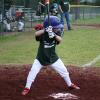
This activity (on page 3 of the PDF under GPS: Baseball Activity) is a full inquiry investigation into how "bounciness" relates to the distance a ball will fly when hit off a batting tee.
Strike 'em Down & Add 'em Up!
Source Institutions
In this activity, reuse two-liter bottles to create bowling pins. Learners practice math skills and develop a concept of verifying answers, while bowling and keeping score.
Pace-Off!
Source Institutions
In this math activity, learners use non-standard measurement (paces) to find the distance from one point to another. Learners practice estimating and measuring distances .
Work for Your Money
Source Institutions
In this math activity, learners earn "money" by completing simple tasks. Learners complete as many "jobs" as possible in a set amount of time.

Jump Like a Frog
Source Institutions
In this math activity, learners jump and measure how far they can jump on different surfaces using different jumping techniques.
Work Up An Appetite
Source Institutions
In this activity, learners participate in fun movement activities while playing on a giant game board. Use this activity to get learners involved in physical activity.
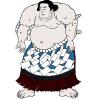
Sumo
Source Institutions
In this version of a Sumo wrestling bout, players use mathematical skills to move their opponent's counter beyond the track and "out of the ring." Learners reveal playing cards and the player with the
Wheel of Fitness
Source Institutions
In this fun activity for any size group, early elementary learners complete physical challenges while playing a game. Learners add new challenges to the "wheel of fitness" that they want to try.
Math and Creativity Posters
Source Institutions
These math posters have questions written on them, such as: How many colors can you name in a minute? or How many seconds can you balance on one foot?
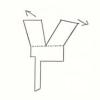
Statistics: Whirlybirds
Source Institutions
In this math lesson, learners measure, predict and determine the frequency of an event as it relates to how close Whirlybirds land to a target.
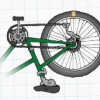
Pedal Power
Source Institutions
In this engineering activity, learners examine bicycle mechanics and gear ratios. Learners determine which gears will help them bike a set course in the shortest amount of time.
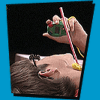
Drinking Straw Pulse Measurer
Source Institutions
In this health activity, learners create a device so that they not only feel their heartbeat, but also see it, using a straw and some clay.
How Many In a Minute
Source Institutions
In this activity, learners will keep track of how much they can do in one minute. Instructors can pick something everyone will do for a minute, such as jumping up and down or drawing stars.

Statistics: Steppin' Out
Source Institutions
In this math lesson, learners construct box-and-whisker plots to analyze and compare data sets. Learners investigate whether or not long-legged people run faster than short-legged people.
Filling the Time
Source Institutions
Build time sense into the schedule by asking learners to predict what can happen in a certain amount of time: We have 20 minutes before outdoor time. What can you get done?
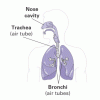
Heart and Lungs
Source Institutions
In this environmental health activity, learners investigate their breathing and pulse rates, and learn how these measurements are affected by physical activity.
Team Up: Fun With Division
Source Institutions
In this activity, learners will divide into teams or groups of equal size. “How many teams of three can we make?” “We need an equal number of children at each of the four computers.
Jump on Tens: Counting Fun
Source Institutions
Learners combine counting, multiples, and number patterns with jumping up and down. To start, pick a counting number.