
Search Results
Showing results 1 to 20 of 28
Ball Bounce Experiment
Source Institutions
In this activity, learners investigate the properties of different types of balls.
Mega Bounce
Source Institutions
In this outdoor activity (on page 2 of the PDF under GPS: Baseball Activity), learners will investigate the transfer of energy using sports equipment.
Super Bounce
Source Institutions
In this activity (on page 1 of the PDF under SciGirls Activity: Soccer Ball Kick), learners will investigate the transfer of energy using sports equipment.
Mid-Air Maneuver: Skateboard Science
Source Institutions
To understand how skaters turn in midair, try this little experiment! Individuals can do this activity alone, but it works better with a partner.
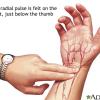
The Pulse of Gravity
Source Institutions
In this astronomy activity (page 3 of the PDF), learners will examine the effects of gravity on a person’s pulse and explore how gravity can differ from planet to planet.

Olympic Track Meet
Source Institutions
In this activity, learners discover how exercise helps keep the body healthy. Learners increase their heart rates by running and understand how running fast versus walking affects their pulse rates.
Just a Minute
Source Institutions
How much can you do in one minute? In this activity, learners estimate how many times a partner can complete a task (like writing their name or jumping jacks) in one minute.
Ins and Outs of Respiration: Determine your Respiratory Rate
Source Institutions
Learners will determine their respiratory rate and explore the factors that affect breathing rate by filling out and using the Respiratory Chart provided in the lesson.
Right Foot/Left Foot
Source Institutions
In this activity (2nd on the page), learners conduct a series of tests to find out which foot is more dominant. In other words, are they right-footed or left-footed?
Stethoscope
Source Institutions
Make a copy of the first stethoscope with only a cardboard tube! René Laennec invented the first stethoscope in 1819 using an actual paper tube!
Workin' It Out
Source Institutions
In this activity, learners explore how to stay fit the fun way. Learners participate in three physical activities.

Relative Speed of Dinosaurs
Source Institutions
In this activity, learners interpret three trackways and use measurements and a formula to infer the relative speed of dinosaurs.
Stomp High Low
Source Institutions
Learners work together as a group to learn a new physical activity. After working for a few rotations, learners time themselves as part of a contest.

Pitch, Roll and Yaw: The Three Axes of Rotation
Source Institutions
In this activity (page 87 of the PDF), learners move their bodies to better understand the three axes of rotation: pitch, roll and yaw.
The Pulse is Right
Source Institutions
In this online activity, learners measure their pulse rates and investigate how their pulses change when they engage in different activities.
How Many In a Minute
Source Institutions
In this activity, learners will keep track of how much they can do in one minute. Instructors can pick something everyone will do for a minute, such as jumping up and down or drawing stars.
Filling the Time
Source Institutions
Build time sense into the schedule by asking learners to predict what can happen in a certain amount of time: We have 20 minutes before outdoor time. What can you get done?
Catch the Beat
Source Institutions
This is an activity about music, movement, and math. Learners will start a rhythm pattern with 2, 3, or 4 beats. For instance, tap your foot, jump, clap, repeat.
Exercise and Memory
Source Institutions
This activity (page 1 of the PDF under SciGirls Activity: Exercise and Memory) is a full inquiry investigation into the effects of exercise on short term memory.
Jump on Tens: Counting Fun
Source Institutions
Learners combine counting, multiples, and number patterns with jumping up and down. To start, pick a counting number.